
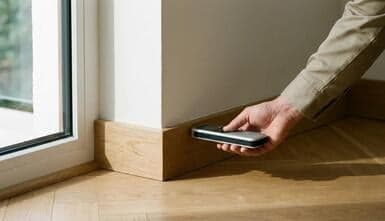
What to do about hidden defects after buying a home
Finding hidden defects after buying a home is a hard blow that occurs frequently in the Spanish real estate market. Many buyers discover serious dampness or broken pipes weeks after signing the deed, when they have already moved into their new home.
The law protects the buyer in these situations, but it requires acting quickly and with impeccable technical rigor. Not all defects that appear are considered hidden defects under the law. It is essential to know which requirements must be met before starting any claim against the seller.
Three mandatory conditions to be able to claim
For a claim for hidden defects after buying a home to be accepted for processing, the fault must meet three strict requirements:
Seriousness of the damage: The defect must prevent normal habitation of the house or reduce its value to such an extent that, had you known, you would not have bought the property or would have negotiated a much lower price.
Preexistence: The damage must predate the signing of the sales contract, not a problem that arose later due to daily use.
Hidden nature: The defect must not have been visible. In addition, if the buyer is a professional in the sector (architect, building surveyor or builder), the law assumes they should have detected it due to their technical expertise.
The six-month limit for second-hand properties
Article 1490 of the Civil Code sets a deadline of six months, counted from the delivery of the keys of the used property. Bear in mind that as it is an expiration period (plazo de caducidad) and not a statute of limitations, the time does not stop through the sending of letters or informal negotiations. You must file the lawsuit before the six months expire.
The Building Regulation Law for new-builds
If you are moving into a brand-new home, the Building Regulation Law (LOE) offers broader and staggered guarantee periods depending on the nature of the defect:
1 year: For failures or defects that directly affect the finishes and aesthetics of the work (paint, tiles or trims).
3 years: For defects that affect habitability or supply installations (dampness, failures in gas, electricity or water).
10 years: For serious structural damages that directly compromise the building's stability and safety.
The doctrine of "aliud pro alio" for extreme cases
What happens if the property turns out to be completely uninhabitable? When the defect is so colossal that the house is unusable, the courts apply the doctrine of aliud pro alio (delivering something different from what was agreed). This legal route is considered a pure breach of contract, which extends the judicial claim period up to five years.
Choose between a price reduction or the return of the property
The law offers you two courses of action through the so-called building actions:
Estimatory action (quanti minoris): Allows you to keep the property while receiving a reduction in the price equivalent to the estimated cost of the repair.
Redhibitory action: Terminates the sales contract, allowing you to return the property and recover all the money invested, including notary and administrative fees.
Have questions about property on the Costa del Sol? We're happy to help.
Get in Touch